
CheckPet · dog food
Best dog food for picky eaters
A dog that refuses dinner does not automatically need a richer food. First separate preference from portion size, excess treats, stale kibble, dental pain, or illness; then compare texture, nutritional adequacy, calories, and package size before ordering.
On this page
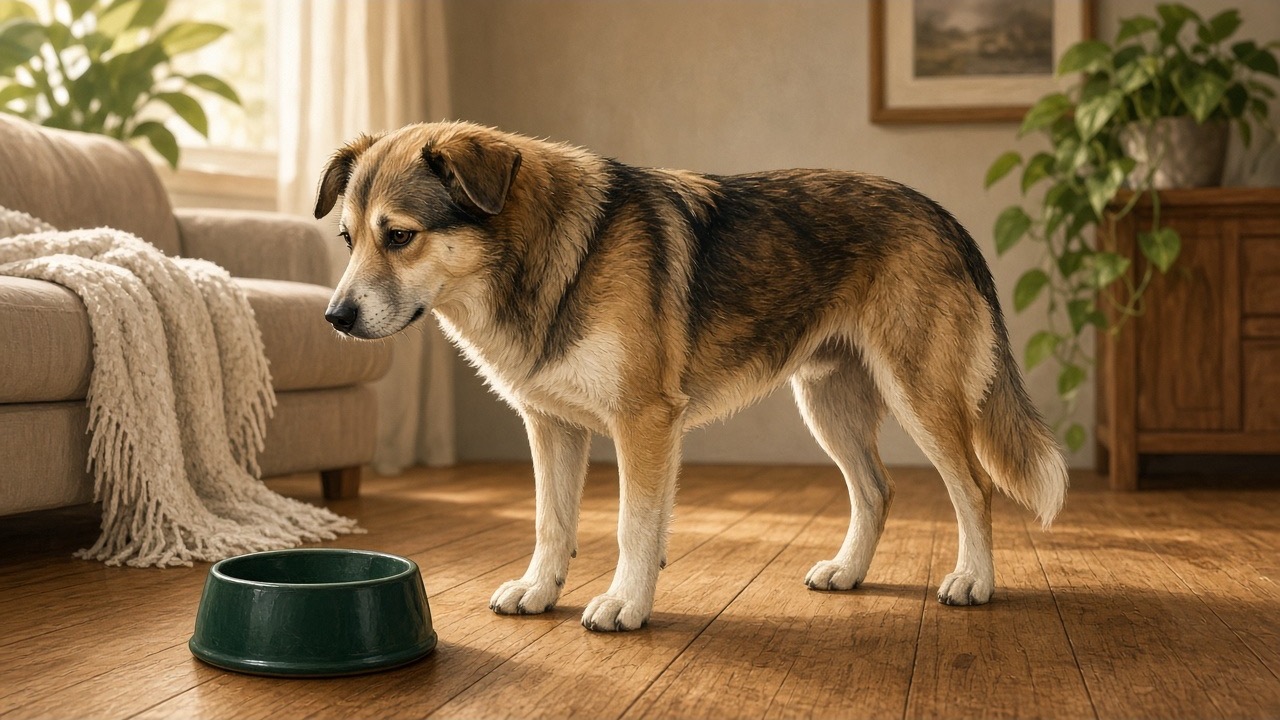
Measure the eating pattern before changing food
| Meal offered | Record grams or level cups offered at 2 meals for 3 days; do not estimate from the bowl. |
|---|---|
| Meal eaten | Measure what remains after 15–20 minutes. A dog eating 80% is different from one refusing every bite. |
| Treat calories | List chews, table scraps, and training treats. Treats should not crowd out a complete diet. |
| Life stage | Confirm the AAFCO nutritional adequacy statement for adult maintenance or growth. See the puppy food guide for growing dogs. |
| Texture | Note whether the dog eats tender pieces but leaves hard kibble; mouth discomfort needs a veterinary check, not just softer marketing. |
| Listing fit | Purina ONE Chicken & Rice currently lists chicken as the first ingredient and a crunchy-plus-tender texture. Verify formula, size, and feeding chart on Amazon. |
Why a “picky” dog may not be hungry
Free-fed kibble, large treats, and frequent toppers can erase the appetite that should build between meals. Start by offering a measured portion on a predictable schedule. Store dry food sealed and use a bag size your dog can finish while it still smells fresh; a bargain-size bag is poor value when aroma fades before the bottom.
Texture can matter, but novelty can also train a dog to wait for an upgrade. Change one variable at a time—portion, schedule, then texture—so you can tell what worked. Do not rotate proteins every few days unless a veterinarian has given a reason.
Best when / skip if
- Healthy adult dog already eating a non-prescription diet
- The dog prefers mixed tender and crunchy pieces
- You can measure the daily portion and reduce extra treats
- You want a small first bag before committing to auto-ship
- Appetite loss is sudden or paired with pain, vomiting, diarrhea, or weight change
- The dog is a puppy and the listing is adult maintenance only
- A veterinarian prescribed a therapeutic or elimination diet
- Chicken or another listed ingredient has caused a confirmed reaction
A 7-day texture trial without creating a topper habit
- Confirm the existing food is fresh and the bowl is clean.
- Measure one normal daily ration from the new food’s feeding chart.
- Transition old and new food gradually over roughly 7–10 days unless your veterinarian says otherwise.
- Offer meals for 15–20 minutes, then remove the bowl without adding treats.
- Record the percentage eaten, stool quality, and any vomiting each day.
- If using a topper, measure a small repeatable amount and count its calories; do not keep increasing it after every refusal.
- Stop the trial and seek veterinary advice if intake drops sharply or symptoms appear.
Quick comparison
| Option | Role | Best fit | Check before buying | Amazon |
|---|---|---|---|---|
| Purina ONE Chicken & Rice | Complete dry food | Healthy adult dogs that prefer tender morsels mixed with crunchy kibble | Life stage, kcal per cup, chicken recipe, current bag weight | View on Amazon |
| Instinct Freeze-Dried Pollock Mixers | Topper or treat, not the default whole meal | Owners who need a measured aroma and texture boost over an already complete food | Calories, serving size, fish ingredients, and the label’s intended use | View on Amazon |
Common failures
- Changing food after one skipped bowl — the dog learns that refusal produces a more exciting option.
- Ignoring treat calories — chews and table food may already cover much of a small dog’s daily energy.
- Using toppers without measuring — calories rise and the base diet becomes less nutritionally consistent.
- Buying the largest bag first — freshness declines and you are stuck with an unsuitable formula.
- Calling illness “pickiness” — sudden appetite changes need assessment rather than another flavor.
- Switching too quickly — abrupt changes can cause digestive upset that makes the next meal even less appealing.
FAQ
What is the best dog food for picky eaters?
Start with a nutritionally complete food for the dog’s life stage, then choose a texture the dog consistently eats. Mixed tender and crunchy pieces can be useful, but portion control, freshness, and health matter more than flavor claims.
Should I add a topper to every meal?
Not automatically. If you use one, measure it, count its calories, and keep the complete base food as the nutritional foundation. A topper can improve aroma without being suitable as the whole diet.
How long can a dog refuse food before I call a veterinarian?
Context matters, but about 24 hours without eating—or sooner for puppies, very small dogs, seniors, or a dog with symptoms—deserves veterinary advice. Sudden refusal with vomiting, pain, weakness, or bloating is more urgent.
Can I keep changing flavors until my dog eats?
Frequent unplanned changes can worsen selective eating and upset digestion. Use a measured 7–10 day transition and change one factor at a time.
Related guides
Editorial standards · Affiliate disclosure · CheckPet guides are not veterinary advice.