
CheckPet · dog food
Best dog food for sensitive stomachs
Choose sensitive-stomach dog food by life stage, complete-and-balanced statement, current protein, kcal per cup, and a slow transition—not by the biggest “digestive health” claim on the bag.
On this page
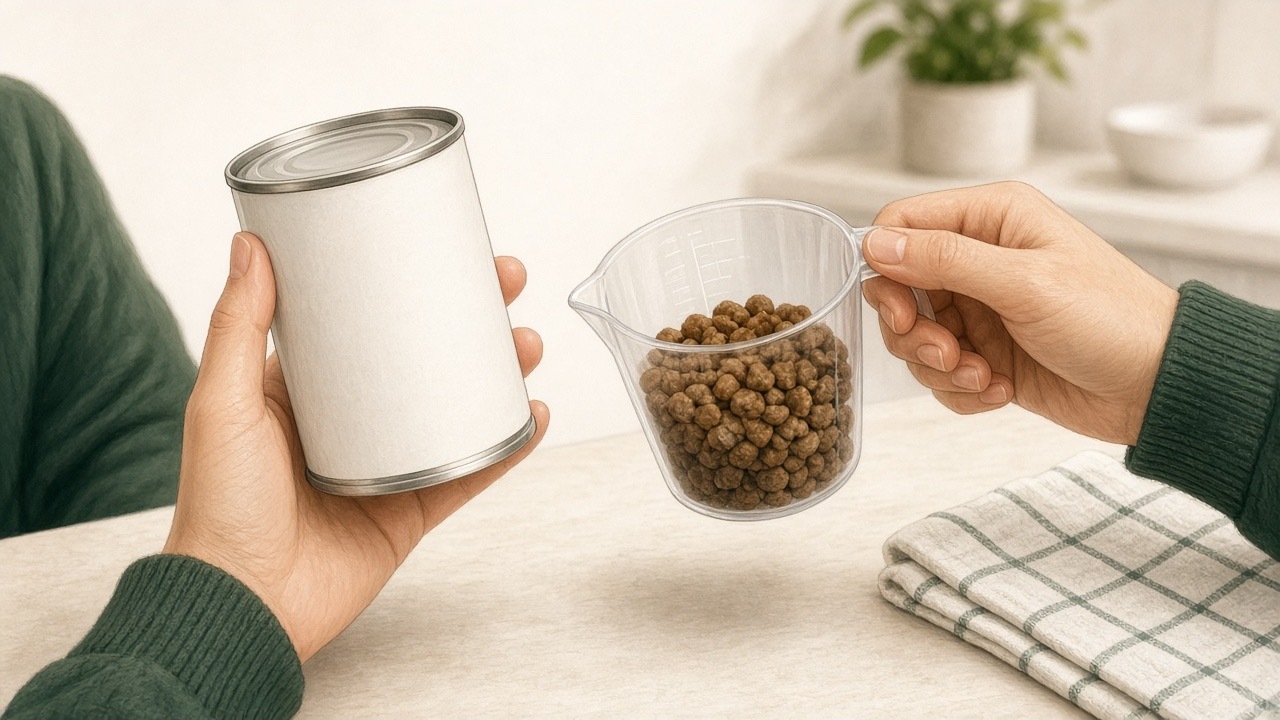
Which sensitive-stomach food should you buy?
For a generally healthy adult dog with occasional food-related sensitivity, buy the formula that matches the dog’s life stage and known tolerances, then transition gradually. Purina ONE is the straightforward adult chicken option in this comparison. Lucy Pet is the salmon-based, all-life-stages alternative. Hill’s Science Diet is another adult chicken formula explicitly listed for sensitive stomach and skin.
The best choice is not automatically grain-free, salmon-based, or the food with the longest ingredient list. Keep a record of the current protein, treats, table scraps, stool changes, and transition speed. That makes a failed switch interpretable instead of turning it into another random purchase.
Do not use a shopping guide as treatment. Repeated vomiting or diarrhea, blood, weight loss, a swollen or painful abdomen, refusal to eat, dehydration, or lethargy needs veterinary advice. Puppies, pregnant dogs, and dogs with pancreatitis, kidney disease, food-allergy trials, or prescription-diet needs should follow a veterinarian’s plan.
Measure before you buy
| Life stage | Match adult, growth, or all-life-stages labeling to the dog. An adult formula is not an automatic puppy food. |
|---|---|
| Current protein | Write down the main animal protein in the current food. If chicken may be a trigger, do not choose another chicken-first formula just because the bag says “digestive.” |
| Daily energy | Record current kcal per cup and cups per day. Recalculate portions from the new label; equal cup volume can deliver different calories. |
| Transition window | Plan at least 7 days for a gradual change unless a veterinarian gives different instructions. Sensitive dogs may need a slower schedule. |
| Bag size | Buy a smaller first bag when tolerance is unknown. A 30 lb bag is poor value if the formula fails during transition. |
| Every calorie source | Count treats, chews, toppers, supplements, flavored medicines, and table scraps. They can defeat an otherwise controlled food trial. |
Sensitive-stomach dog food comparison
These are verified Amazon product pages checked October 9, 2026. The comparison uses label and listing facts, not hands-on feeding tests. Prices, package availability, and formulas can change; recheck the bag before feeding.
| Food | Best fit | Check before buying | Amazon |
|---|---|---|---|
| Purina ONE Plus Digestive Health Adult · chicken · 30 lb listing | Adult dogs that already tolerate chicken and need a mainstream digestive-health formula | Adult-only fit; large first bag; includes chicken | View on Amazon |
| Lucy Pet Salmon, Pumpkin & Quinoa All life stages · salmon · 4.5 lb listing | Shoppers wanting a smaller salmon-based first bag and an all-life-stages label | Grain-free is not inherently better; verify suitability with your veterinarian | View on Amazon |
| Hill’s Science Diet Sensitive Stomach & Skin Adult · chicken · 13.6 kg listing | Adult dogs whose shoppers prefer a formula explicitly positioned for stomach and skin sensitivity | Large package; chicken formula; confirm current U.S. package and feeding table | View on Amazon |
Best when / skip if
- The dog is otherwise well and your veterinarian has not prescribed another diet
- You know the dog’s life stage and current protein
- You can transition slowly and keep treats consistent
- You will track stool, appetite, and weight
- Vomiting, diarrhea, blood, pain, lethargy, or weight loss persists
- The dog needs a prescription or elimination diet
- The formula repeats a suspected trigger
- You cannot verify the complete-and-balanced statement
How to switch food without confusing the result
- Photograph both labels. Save ingredient lists, guaranteed analyses, kcal per cup, lot numbers, and feeding tables.
- Set the daily calories. Convert the new food from kcal to a daily amount; do not copy the old number of cups automatically.
- Change gradually. A common starting schedule is 75% old/25% new, then 50/50, then 25/75, then fully new across 7 days. Slow down if advised.
- Hold extras steady. Avoid introducing a new treat, chew, topper, or supplement during the same week.
- Log the response. Note meal amount, stool consistency, vomiting, scratching, appetite, and body weight.
- Stop guessing when symptoms continue. Contact a veterinarian; repeated diet changes can delay diagnosis and make the history harder to interpret.
Common failures
- Buying the largest bag first. The lower cost per pound disappears if the dog cannot tolerate it.
- Switching protein and treats together. You cannot tell which change affected the dog.
- Assuming grain-free means sensitive-stomach friendly. Grain-free describes formulation, not a diagnosis or universal benefit.
- Feeding the old cup amount. Energy density varies, so portions can become too high or too low.
- Ignoring life stage. Adult maintenance food and growth food are not interchangeable.
Frequently asked questions
Is salmon better than chicken for a sensitive stomach?
Not universally. A salmon formula can help avoid chicken only when the full ingredient list also fits the plan. Choose based on known tolerance and veterinary guidance, not protein reputation alone.
How long should a dog-food transition take?
Seven days is a common starting point, but some dogs need longer. Follow the new label and your veterinarian’s advice, especially after illness or when using a therapeutic diet.
Should I buy a small bag first?
Yes when tolerance is unknown. A smaller bag reduces waste and lets you confirm appetite, stool response, and practical feeding amount before committing to a bulk package.
When is a sensitive stomach an emergency?
Repeated vomiting, blood, a swollen or painful abdomen, collapse, marked lethargy, inability to keep water down, or signs of dehydration warrant prompt veterinary care. When unsure, call a veterinarian.
Related guides
Editorial standards · Affiliate disclosure · Not veterinary advice.