
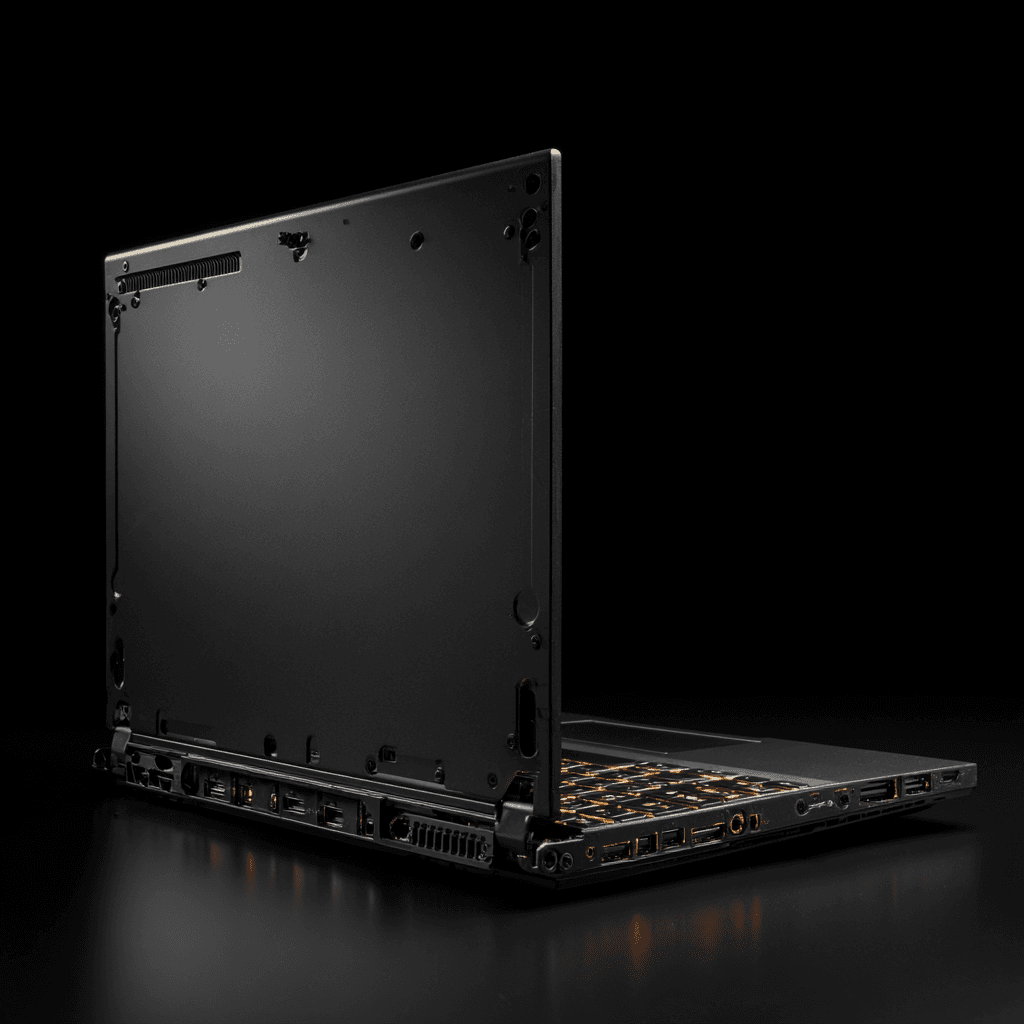
When Framework announced their modular, repairable laptop in 2021, Reddit lost its collective mind. The idea of a laptop where you could swap ports, upgrade RAM, replace the screen, and even choose your own mainboard hit every single “right to repair” and anti-Apple-tax nerve that the tech community has. It was the most upvoted laptop post on r/hardware in years.
But hype is one thing. Living with a product daily for a year is another. I spent three weeks reading every Framework-related post on r/framework, r/linuxhardware, r/laptops, and r/thinkpad from users who’ve had their machines for 12+ months. I also spoke with four Framework owners directly. Here’s what the community actually reports after the honeymoon period ends.
On this page
The Consensus After 12 Months
| Aspect | Reddit Sentiment | Score |
|---|---|---|
| Build quality | Good, not great. Creaks more than ThinkPad/MacBook | 7.5/10 |
| Repairability | Exceptional. Best in the industry by far | 10/10 |
| Battery life (13″ AMD) | Improved dramatically with BIOS updates. Now 8-10 hours | 8/10 |
| Battery life (16″ Intel) | Disappointing. 5-6 hours real-world | 6/10 |
| Linux support | Excellent. Ubuntu/Fedora work perfectly | 9.5/10 |
| Display quality | Good 3:2 ratio, matte option appreciated | 8/10 |
| Keyboard | Average. Not ThinkPad-level, better than MacBook pre-2020 | 7/10 |
| Value for money | Comparable or slightly premium vs similar specs | 7.5/10 |
What Owners Love After 1 Year
“My HDMI port died. Instead of sending the entire laptop in for repair, I spent $9 on a replacement module, popped it out, clicked the new one in. Done in 30 seconds. Try doing that with any other laptop.” — r/framework
The modularity is real and it works. This isn’t a marketing gimmick. Framework owners report actually using the swappable ports — changing configurations for different trips (USB-A heavy for conferences, SD card for photography trips), replacing a damaged module instead of the whole machine, and upgrading storage without voiding warranty.
“I upgraded from the 11th gen Intel mainboard to the AMD 7840U mainboard. Same chassis, same screen, same keyboard — just a new CPU. $450 instead of $1,400 for a whole new laptop. This is the future.” — r/framework
The upgrade path is unprecedented. No other laptop manufacturer lets you swap the CPU/motherboard while keeping everything else. Framework owners on the 11th gen Intel boards have upgraded to 12th, 13th, or switched to AMD — extending the useful life of their laptop by years for a fraction of a new purchase. This alone justifies the ecosystem for many users.
Linux support is first-class. Framework actively works with Linux distributions and publishes hardware compatibility guides. On r/linuxhardware, the Framework 13 AMD is consistently cited as one of the best Linux laptops available. Sleep/wake, Wi-Fi, Bluetooth, and fingerprint all work on Ubuntu 24.04 and Fedora 41 without manual configuration. This aligns with what I found in my Linux distros guide.
What Owners Complain About After 1 Year
“I love my Framework conceptually. But after a year of daily use, the chassis creaks when you pick it up from one corner. My ThinkPad from 2019 still feels more solid. The Framework feels like a $600 laptop build with $1,200 laptop internals.” — r/thinkpad
Build quality is the #1 complaint. The aluminum chassis is thin and light but lacks the rigidity of ThinkPad or MacBook construction. Multiple users report flex in the keyboard deck, creaking near the hinge, and a general “light” feeling that doesn’t inspire confidence. It’s not fragile — nobody reports actual breakage — but it doesn’t feel premium in the hand. For comparison, see how ThinkPad and MacBook handle this in my head-to-head comparison.
“The speakers are genuinely bad. Like, 2015 Chromebook bad. I keep headphones nearby at all times. For a $1,200 laptop this is unacceptable.” — r/framework
Speakers are universally panned. Thin, tinny, no bass. Every review thread mentions this. Framework has acknowledged the issue but the thin chassis leaves minimal space for speaker chambers. If you take a lot of video calls without headphones, this is a real daily annoyance. Budget for the Sony WH-1000XM6 or similar.
Expansion card wobble. The swappable port modules don’t always sit perfectly flush with the chassis. Several users report slight wobble when pressing a USB stick into a USB-A module, or visible gaps between modules and chassis after a year of daily swapping. Cosmetic, but it contributes to the “not quite premium” feel.
Framework 13 vs Framework 16: Community Preference
The community overwhelmingly prefers the Framework 13 (AMD). The 16 gets more mixed reviews:
- Framework 13 AMD: Better battery life, lighter, more mature design, fewer QC issues reported. Reddit’s recommendation for most people.
- Framework 16: Larger display, dedicated GPU option, but heavier, thicker, and earlier-adopter-level bugs. Multiple users report the GPU module running hot and the expansion bay mechanism feeling “janky.”
If you want a Framework, the 13-inch AMD (Ryzen 7840U or newer) is the safe, well-reviewed choice. The 16-inch is for enthusiasts willing to tolerate growing pains in exchange for a modular gaming/workstation laptop that doesn’t exist elsewhere.
Who Should Buy a Framework?
- Linux users who want guaranteed compatibility without driver hunting
- Right-to-repair advocates who want to support the movement with their wallet
- Developers who plan to keep their laptop 4-5+ years and want to upgrade components over time
- People frustrated with soldered RAM and glued batteries in modern laptops
Who Should NOT Buy a Framework?
- People who prioritize build quality above all. Get a ThinkPad X1 Carbon or MacBook Pro.
- People who need the best speakers, webcam, or trackpad. Framework’s peripherals are functional, not best-in-class.
- People who just want a laptop and never think about it. MacBook Air M4 is the better “appliance” laptop.
- People who need reliable battery life on Intel. The Intel models still drain faster than AMD or Apple silicon competitors.
The Bigger Picture: Does Modular Work?
After reading hundreds of owner experiences, my conclusion: Framework proved the concept works. Modular laptops aren’t a pipe dream — they’re a functional product that real people use daily for real work. The execution isn’t perfect (build quality, speakers), but it improves with every generation. Framework’s 13th gen Intel and AMD boards addressed most early complaints through firmware updates and hardware revisions.
For the broader laptop market, Framework’s existence is forcing competitors to at least consider repairability. Lenovo and Dell have both improved repair documentation and parts availability since Framework gained traction. That’s a win regardless of whether you personally buy one.
FAQ
Is Framework a good daily driver for programming?
Yes. The 13-inch AMD with 32GB RAM runs VS Code, Docker, and multiple terminals without issue. The 3:2 display ratio gives you extra vertical lines of code compared to 16:9 screens. Linux support is excellent. The only compromise is the speakers (use headphones) and the slightly-less-rigid chassis feel during daily carry.
How’s the resale value?
Lower than MacBook (everything is), but better than most Windows laptops because the community is passionate and parts are individually valuable. Used Framework mainboards sell for 60-70% of their original price on the Framework marketplace, which is better than most 1-year-old laptop resale.
Can I buy a Framework without an OS?
Yes. Framework sells a “DIY Edition” where you assemble it yourself (install RAM, storage, Wi-Fi card) and install your own OS. It’s $100-200 cheaper than the pre-built version. Assembly takes 15-20 minutes with their included screwdriver. Perfect for Linux users who’d wipe Windows immediately anyway.
Are Framework parts actually available when you need them?
This was a legitimate concern in 2023, but as of 2026, the Framework Marketplace consistently has all modules, mainboards, screens, keyboards, and batteries in stock. Replacement parts ship within 3-5 days. Multiple users report ordering a replacement battery at year two and receiving it within a week.