
CheckPet · cold-weather gear
Best dog winter coats: fit warmth to the dog and the weather
A thicker coat is not automatically a better coat. Measure girth and back length, then choose coverage for your dog’s natural coat, activity level, precipitation, and the harness you actually use.
On this page
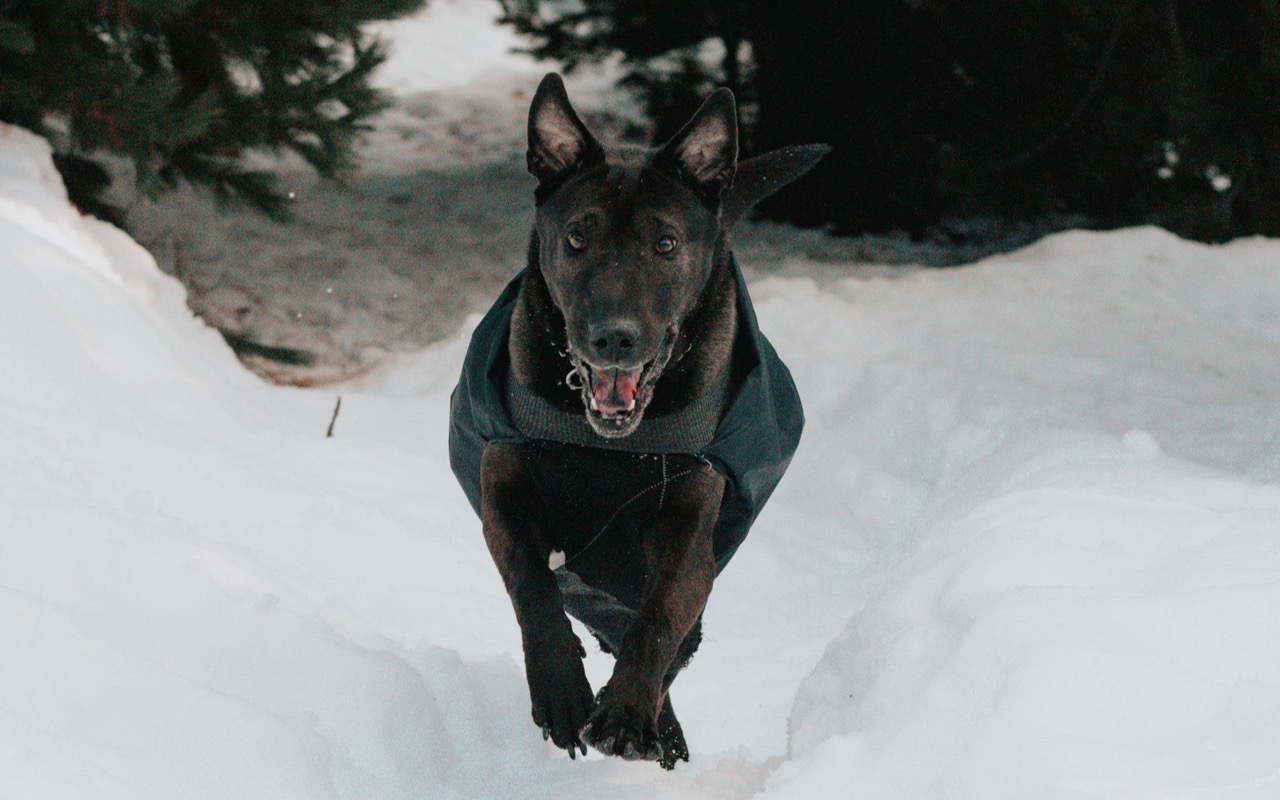
Does this dog need a coat for this outing?
Temperature alone is a poor buying rule. A short-haired, lean dog standing at a bus stop loses heat differently from a double-coated dog running uphill. Wind, wet fur, age, body condition, health, acclimation and time outside all change the decision. Shivering, a tucked posture, lifting paws, slowing down or repeatedly turning toward home are reasons to end the outing—not signals to keep walking because the product page called a jacket “extreme weather.”
- Short or sparse coat, low body fat, very small body size
- Senior dog, puppy, or a dog with a veterinarian-defined health limitation
- Slow leash walk, waiting outdoors, wind, freezing rain or wet snow
- Dense double coat during vigorous running
- Heavy insulation used above freezing on a sunny, active outing
- Panting, seeking shade, slowing unexpectedly or warm, damp skin under the coat
This is a gear guide, not a safe-temperature chart. Ask your veterinarian about cold tolerance when disease, medication, age or poor body condition changes thermoregulation.
Measure before you buy: three dimensions for a winter coat
- Girth: wrap a soft tape around the widest part of the rib cage, usually just behind the front legs. Keep two fingers under the tape without adding several inches “for layering.”
- Back length: measure from the base of the neck to the base of the tail while the dog stands naturally. A coat can fit the chest yet still block the tail or leave the lower back exposed.
- Neck and belly clearance: compare the brand’s neck opening and underbody panel with your dog. Male dogs need enough belly clearance to urinate without wetting the coat.
Use the manufacturer’s chart for that exact model; sizes are not standardized. Our existing dog-clothes sizing guide explains how to handle between-size measurements. Do not buy one size larger by habit: excess fabric can rotate, collect snow, cover the tail or interfere with front-leg movement.
Match coverage to the trip—not the marketing adjective
| Dry, cold neighborhood walk | Insulation and wind resistance matter more than a technical waterproof shell. |
|---|---|
| Wet snow or freezing rain | Prioritize a waterproof outer layer, covered seams and a fit that does not funnel water at the neck. |
| Fast trail activity | Choose shoulder freedom, secure coverage and ventilation; stop before the dog overheats. |
| Harness underneath | Confirm the leash portal lines up with the harness’s actual back or chest attachment. A decorative slit is not automatically compatible. |
| Deep chest or narrow waist | Look for useful adjustment around the torso; a fixed stretch panel may fit the girth but hang loose at the belly. |
- The dog’s coat, body condition and outing make extra protection useful
- Girth, back length and belly clearance all fit one size
- The selected construction matches dry cold, wet snow or active trail use
- The dog already overheats during the planned activity
- The garment changes stride, rotates or blocks urination
- A medical condition requires veterinary cold-weather limits rather than a gear change
Three distinct winter-coat fits
These are fit lanes rather than a universal ranking. Amazon often stores each size or color under a different ASIN, so the link identifies one verified US variant—not the size your dog should wear.
| Coat | Best fit | Skip or recheck | Verified variant |
|---|---|---|---|
| Ruffwear Powder Hound | Active dogs needing waterproof, insulated, high-coverage construction and harness portals | Leg openings and close coverage must allow full shoulder motion; deep-chested dogs may need a different cut | Medium · Aurora Teal |
| Hurtta Expedition Parka | Shoppers prioritizing broad size choice and back/neck coverage for cold walks | The linked 8-inch Bilberry variant is very small; choose from the live size chart rather than copying this ASIN | 8 in · Bilberry |
| Carhartt Firm Duck Dog Chore Coat | Dogs whose owners prefer an open-leg workwear-style coat with insulated, weather-resistant coverage | Less wraparound coverage than a fitted technical jacket; check belly straps and rear coverage on narrow dogs | Medium · Carhartt Brown |
Run this 10-minute fit check before removing tags
Put the coat on indoors over the collar or harness setup you will actually use. Keep the packaging and avoid a muddy test until you know the return conditions.
- Slide two fingers under the neck and girth contact points; confirm closures are secure without compressing the chest.
- Walk straight, turn both directions, sit and lie down. Watch the front legs and armpits for fabric drag.
- Reach each front leg gently forward. Stop if the sleeve or chest panel shortens the natural stride.
- Clip the leash to the intended harness point. Confirm the portal does not pull the coat sideways or hide the clip.
- Check tail base and belly clearance. The rear hem should not push the tail down; the underbody should stay clear during urination.
- After 10 minutes, remove the coat and inspect for pressure lines, dampness, trapped hair and unusual warmth.
A correct standing photo is not enough. Return or refit a coat that twists during turns, changes gait, rubs behind the elbows, collects urine, or requires overtightening to stay centered. A no-pull harness also needs its own movement check; the coat cannot correct a poor harness fit.
What we did not claim
- We did not run thermal, waterproof-pressure or abrasion laboratory tests.
- We did not personally fit these three coats on every breed shape.
- We did not copy a temperature rating across dogs; brands and independent reviewers use different methods.
- Price, color and inventory can change. The verified Amazon variant names are recorded so you can spot a redirected listing.
Common failures
- Buying by breed or body weight without measuring girth.
- Choosing heavy insulation for a fast-moving double-coated dog.
- Assuming a leash slit will align with every harness attachment.
- Leaving a wet coat on after the walk or storing it before it dries.
- Removing tags before checking shoulder motion, belly clearance and return terms.
FAQ
Should a winter coat fit over a dog harness?
Only if the coat’s portal aligns with the harness attachment and neither item distorts the other. Test the exact combination indoors. If the portal pulls sideways or hides the clip, use a compatible coat or a manufacturer-approved outer-harness arrangement.
Should I size up for a sweater underneath?
Do not size up automatically. Compare the dog’s measured girth plus the planned layer with the brand’s chart, then check shoulder motion and closure overlap. Two bulky layers can trap heat and change the fit.
Is waterproof the same as warm?
No. A thin rain shell can block precipitation without much insulation, while a fleece layer can insulate but absorb water. Match both properties to the outing.
Editorial standards · Affiliate disclosure · Not veterinary advice.